We’re used to thinking of electricity generation taking place at a relatively small number of gigantic power stations with huge cooling towers, or an even smaller number of nuclear power stations. However, as the UK government takes steps to reduce the country’s carbon emissions, our energy is increasingly being generated from renewable sources – by the end of 2020, around 40% of all our electricity was being generated that way.
Whilst large scale renewable energy projects still make an important contribution to electricity generation, the electricity network is becoming increasingly dependent on smaller scale projects that are widely distributed across the country. That is something from which even small landowners could benefit.
Solar power
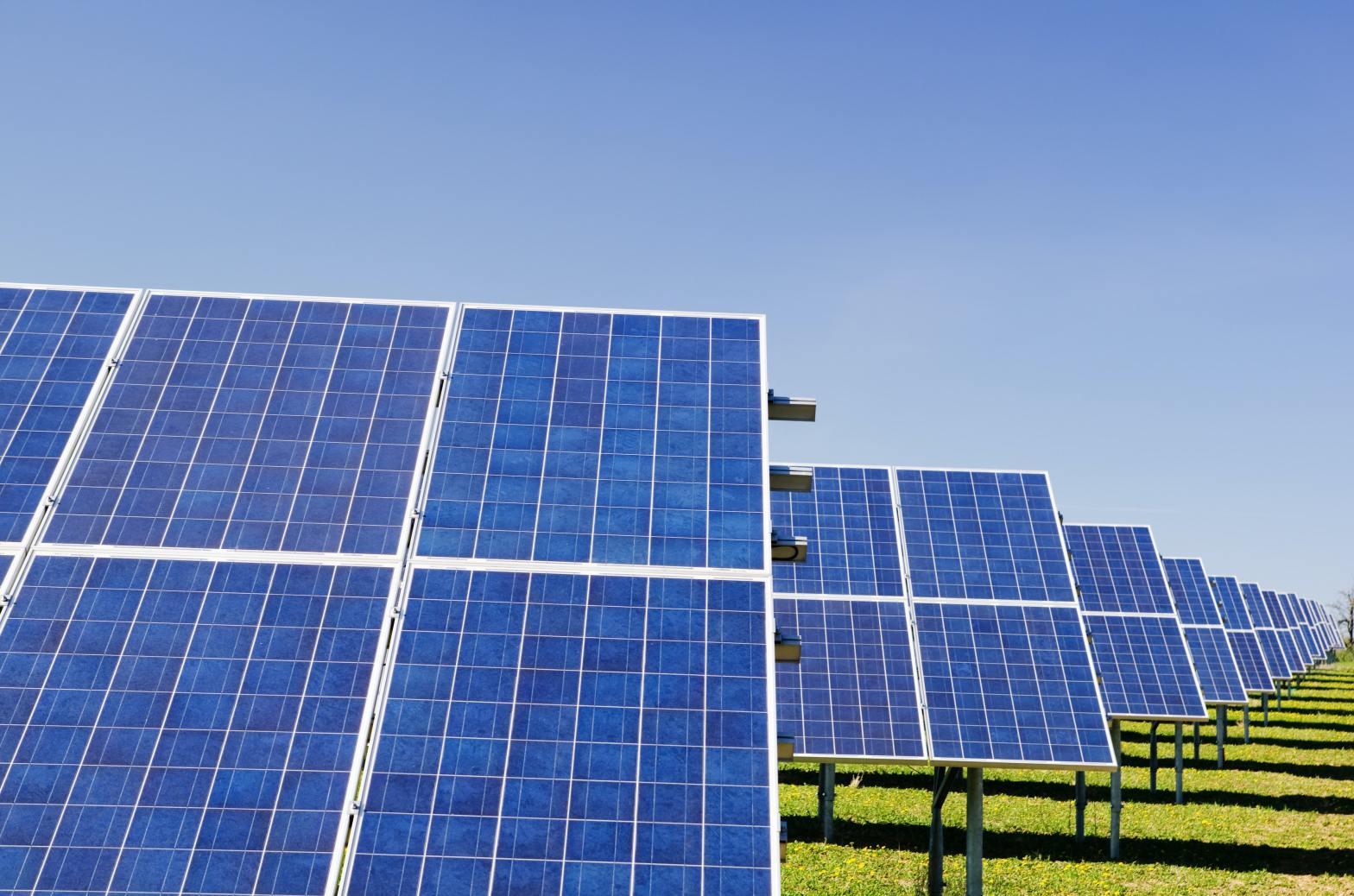
One of the most obvious ways is through solar energy generation. As solar panels have become cheaper and more efficient, this can be a viable proposition across huge parts of the country – however grey and rainy it might look out of the window!
Solar sites typically start at around 40 acres in size but can be as large as 200 acres or even more. Ideally they would be located a reasonable distance from existing homes and not have any large trees or hedgerows along the southern boundary (to prevent the panels being shaded).
Battery storage
A less well known, but equally important and rapidly growing, part of the electricity network is battery storage. Whereas the flow of electricity generated from traditional gas and coal-fired power stations is entirely predictable and controllable, that isn’t the case with renewable energy generation. The unpredictability of exactly when electricity will be generated from renewable sources makes it difficult to match supply with demand – you can’t magically make the wind blow harder at 6pm when everyone starts making their evening meal.
That’s where battery storage comes in, smoothing out the peaks and troughs by storing surplus power when supply outstrips demand and releasing it back into the grid when the demand outstrips supply.
The batteries themselves are housed inside what look like green-painted shipping containers and sit on sites ranging in size from less than 1 to around 4 acres. The ideal site would be around 200 metres from the nearest homes.
The opportunity for landowners
For landowners, both systems can present a real opportunity to maximise the value of your land. Solar and battery installations are only temporary (typically in place for around 30 to 40 years), so operators will usually look to lease the land for around £15,000 to £25,000 per acre per year (depending on how much it costs to connect the site to the electric grid). They will also commit to reinstating the land once the lease comes to an end. The operators are typically blue-chip investment funds.
In some cases it may also be possible to sell the site instead of lease it.
The temporary nature of the schemes and their importance to the energy network means that they can be delivered on sites which might not be suitable for other forms of development – greenfield (and even green belt) sites which are remote from existing settlements.
The most important factor in their location is whether there is sufficient capacity in the electric grid for them to be connected – and how much that connection will cost.
Working in conjunction with a specialist energy development partner, Longwall Property is currently working on a number of projects just like this.
If you think your land might be suitable, get in touch today to find out more.




 Longwall Property